Loading...
Serving Rochester, MN and surrounding areas. (507) 738-1202
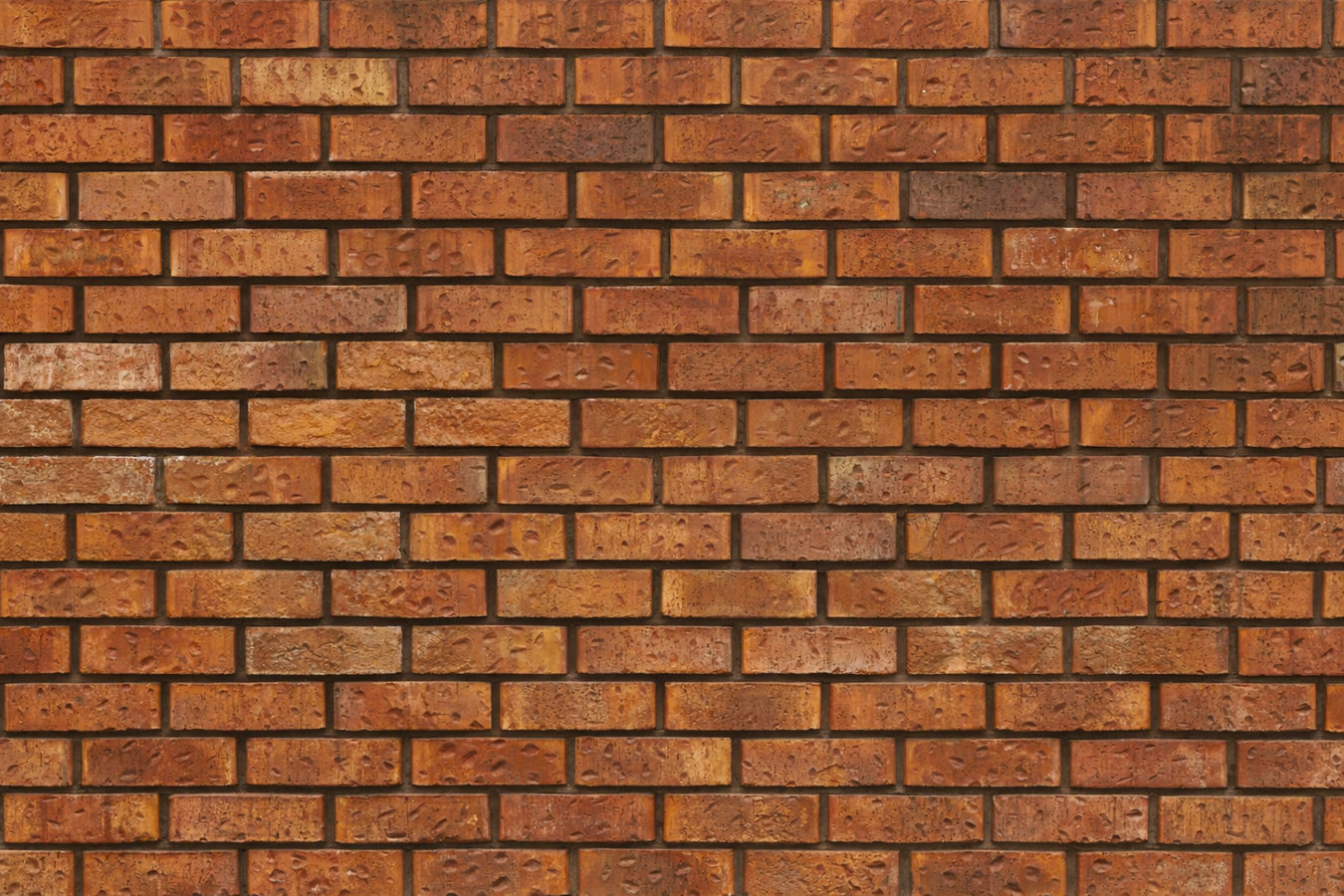
Crumbling mortar joints let water in, and Rochester winters turn that into real damage fast. We cut out the old mortar, pack in a matched replacement, and restore a watertight seal that holds for decades.
Tuckpointing in Rochester, MN removes deteriorated mortar from the joints between bricks and replaces it with fresh material matched to the original profile, restoring the watertight seal that holds your wall together, with most jobs completed in one to three days.
Mortar is designed to be softer than the brick around it - it absorbs stress and weathering so the bricks themselves do not crack. Over time, typically 20 to 30 years in a mild climate, that mortar erodes. In Rochester, southeastern Minnesota winters put that timeline on fast-forward. Freeze-thaw cycles repeat dozens of times between November and March, and every cycle pushes water a little deeper into the joints. By the time mortar looks obviously bad, water is already working behind the brick.
If cracking has spread to the bricks themselves, our brick repair service handles the next step - replacing damaged or spalling bricks before the wall loses more surface.
If you can see gaps, holes, or powdery mortar falling out of the joints on your brick wall or chimney, tuckpointing is overdue. In Rochester, this kind of visible deterioration often accelerates after a hard winter, so spring is a good time to walk around your home and look closely.
A chalky white residue on the surface of your bricks - called efflorescence - is a sign that water is moving through the wall and carrying mineral salts to the surface. Open mortar joints are the most common entry point, and that water movement does not stop on its own.
When water gets into open joints and freezes repeatedly over Rochester winters, it can eventually damage the brick face itself - a process called spalling. If you see bricks that look like they are flaking or losing their surface, the mortar joints nearby are almost certainly compromised.
Chimneys are the most exposed masonry on most homes, and open mortar joints there are a direct path for water into your home. If you can see daylight through joints, feel loose mortar with your finger, or notice the joint line looks recessed, call a mason before another winter passes.
Every tuckpointing job starts with cutting out - not just brushing - the damaged mortar to a consistent depth, typically three-quarters of an inch to an inch. This preparation step is what separates repairs that last from repairs that fail inside a few winters. Once the joint is clean, we pack in new mortar in layers, tool it to match the original joint profile, and clean the brick face before it hardens. Done correctly, the repair blends into the wall and you would not know it was done.
We handle full exterior repointing on brick homes, chimney tuckpointing on all four sides, and targeted repairs on sections that have deteriorated faster than the rest of the wall. For joints where mortar has been replaced before with a poor match, we also do corrective work - removing mismatched mortar that is too hard and replacing it with the right mix. Mortar-related issues that extend to the brick face itself are handled through our brick pointing service, which addresses more detailed restoration on individual joints and courses.
Best for brick homes where mortar has deteriorated across most of the wall surface - systematic joint repair from top to bottom.
Addresses all four exposed sides of a chimney, including the crown area where water entry is most damaging and most common.
For walls where one section - a north-facing side, a chimney base, or a low course near grade - has deteriorated faster than the rest.
Removes previously applied mortar that is too hard for your brick and replaces it with the correct mix before it causes spalling.
We assess and match the color and texture of your existing joints so the repair blends with the surrounding wall.
Mortar residue is cleaned from the brick face before it sets, leaving a sharp finished look without smearing across the brick surface.
Rochester sits in southeastern Minnesota with a full continental climate - cold winters, genuine freeze-thaw cycling, and a working season for masonry that runs roughly from late April through October. Water that seeps into even slightly open mortar joints freezes, expands, and forces the joint wider. That process repeats dozens of times each winter. This is why Rochester homeowners need tuckpointing more urgently than homeowners in milder parts of the country, and why small cracks that look minor in October can be noticeably worse by March. Rochester also has a large number of brick homes built in the mid-20th century, many with mortar that is now 50 to 70 years old and overdue for attention.
We serve homeowners throughout the region, including Faribault and Owatonna, where the same freeze-thaw conditions apply. If you are unsure whether your mortar is close to failure or already past it, the best time to find out is before winter - not after. The Mason Contractors Association of America maintains standards for mortar joint repair that guide how qualified contractors approach this work.
Describe what you are seeing - crumbling joints, a stained chimney, or mortar that looks worn. We respond within 1 business day to schedule a free on-site assessment.
We walk the area with you, probe the joints to check deterioration depth, and assess whether the mortar can be matched. You receive a clear, written estimate before any work begins.
Rochester's working window for mortar work closes when temperatures drop near freezing. We schedule your job during a window when conditions allow full curing - and we will be straight with you about timing.
We grind out damaged mortar, pack in fresh material, tool the joints to match the original profile, and clean the brick face. Before we leave, we walk you through the finished work and curing instructions.
Free on-site estimate. No obligation. We respond within 1 business day.
(507) 738-1202We have been doing tuckpointing work in the Rochester area since 2016 and know how southeastern Minnesota's freeze-thaw cycles attack mortar joints. That local experience guides every repair decision we make.
We assess the strength, color, and profile of your existing joints before selecting a mortar mix. Using a mix that is too hard for your brick can crack the surrounding masonry - we protect your bricks, not just fill the gaps.
We stand behind our tuckpointing through at least one full Minnesota freeze-thaw season. A written warranty means you have a clear path to resolution if anything does not hold - no verbal promises.
We come out, walk your wall or chimney, and tell you exactly what needs repair and what can wait. You get a written price before we start, and we will not push work you do not need.
Mortar matching and proper joint preparation are the two things that determine whether tuckpointing lasts 20 years or fails in three. We take both seriously on every job, which is why we ask homeowners to check our work and talk to past customers before committing. You can also verify contractor license standing through the Minnesota Department of Labor and Industry before hiring any masonry contractor.
When freeze-thaw cycles have cracked or spalled the brick itself, we replace and repoint damaged bricks to restore a solid, watertight wall.
Learn MoreTargeted mortar joint restoration for chimneys and walls where specific sections need fresh pointing without a full tuckpointing project.
Learn MoreRochester's working window for mortar repair is limited - book now to lock in your spot before cold weather shuts things down for the year.